Almost two thousand years ago, Seneca wrote to a friend who kept travelling to outrun his own unhappiness and kept arriving as the same unhappy man. His verdict was blunt. You must change your soul, not your sky. Wherever you go, he said, you take yourself with you. He was borrowing from Horace, who put it even more plainly: people who race across the sea change their sky, not their state of mind.
I kept thinking about that line on this trip, because on paper I was doing exactly the thing Seneca warned against. Six years without a proper break, and then two and a half weeks on the far side of the planet, following a World Cup across America. A textbook case of changing the sky and hoping the rest would sort itself out.
Except it did sort itself out. And the reason, I think, comes down to a distinction almost nobody bothers to make: the difference between the two kinds of time off.
There is the ad-hoc break. The long weekend, the week grabbed between deadlines. You know the shape of it. You spend the first half still mentally at your desk and the second half quietly dreading the return. Nothing gets built in that time. It is a blank in the real business of working, and you treat it as one.
The Mahabharata offers the opposite picture of what a pause can be. When the Pandavas lost everything in the rigged game of dice, they were sent into the forest for thirteen years, and the Vana Parva, the Book of the Forest, could easily have been a chronicle of punishment and waiting. It is the opposite. Out there, stripped of the palace and everything that came with it, Arjuna walked north into the Himalayas and sat in penance so severe the earth itself is said to have smoked, until Shiva stood before him and he came away with weapons no ordinary warrior could hold. His brothers sought out the sages who lived beyond the reach of the court and gathered what those men knew. The forest was not the absence of the kingdom. It was where five princes were quietly forged into the people who could win it back. The most important work of their lives happened during what looked, from the outside, like time off.
Most of my breaks across six years had been the first kind. Maintenance. Downtime for the machine so the machine could run again on Monday. Not once had I gone to the forest.
So this time I planned for something else. The planning is the part that sounds least profound and turns out to matter most. It had to feel like a genuine holiday and clear a few things off the bucket list, but it also had to keep me sharp. I did not want to come home rested and dull. I wanted to come home changed.
The holiday half was easy to fall for. The anchor was the World Cup, and it delivered from the very first match I saw: Argentina against Egypt in the Round of 16, one of the most entertaining games of the whole tournament, three goals to two, a match that had no business being that tense, eighty thousand people on their feet at once. Around the football were the ordinary large things you save up to see. Times Square at midnight with every screen synced. A two-hour timelapse from the top of One Vanderbilt that is still the best thing on my phone. Fireworks over Washington on the Fourth of July, running an hour late and worth the wait. Bucket-list stuff, taken slowly instead of rushed through.
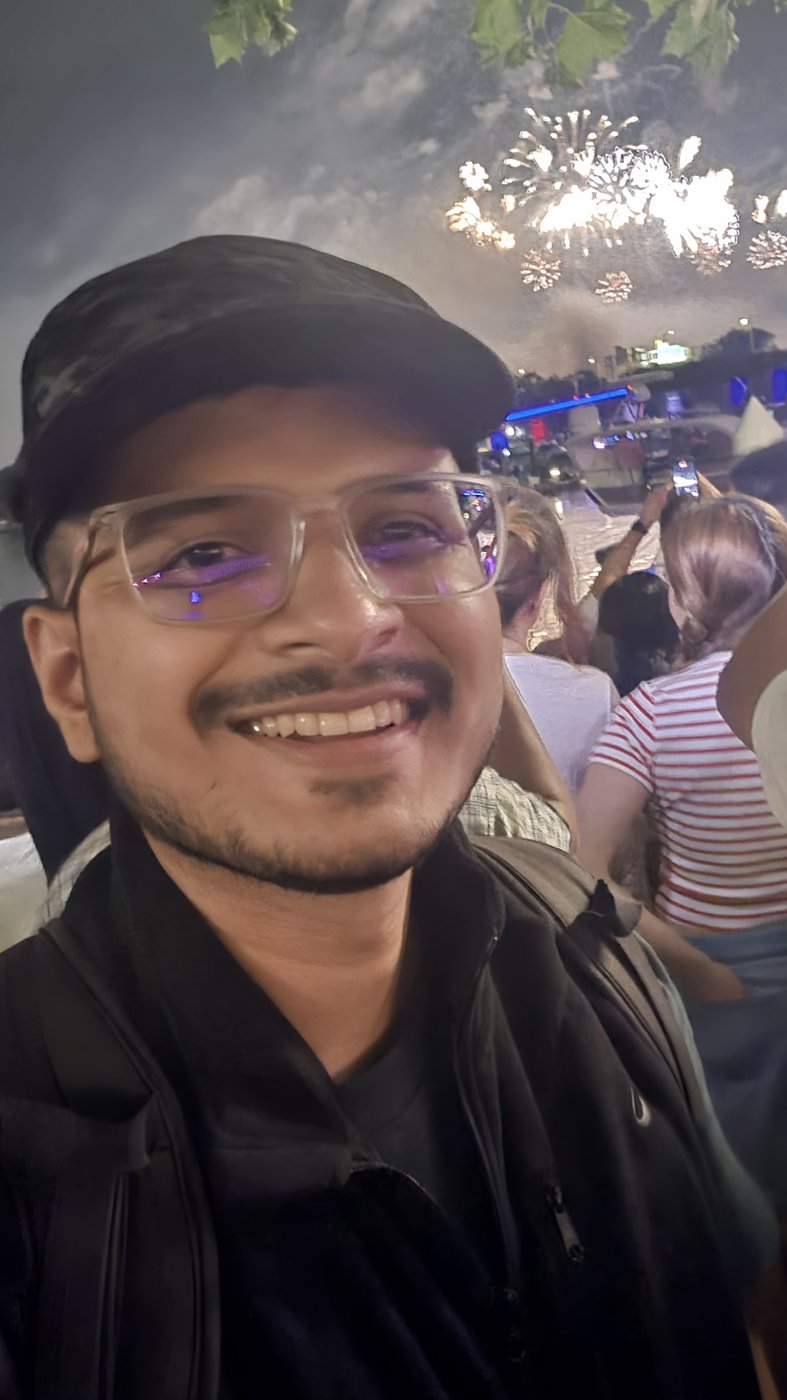
But a mind left idle on a beach comes home soft, and soft was the one thing I was trying to avoid. So I kept both sets of muscles working. The physical side mostly took care of itself: long drives across states, early runs on the sand, miles on foot through cities, a bike along an empty National Mall at dawn to beat the heat. The mental side I had to be deliberate about. I read. I wrote something most nights, even when it was three tired lines. And I let the trip hand me real problems to solve, the kind that do not wait for a convenient moment: plans that collapsed and had to be rebuilt from a crowded terminal, connections remade on the fly, decisions taken with no time to sit on them. Stressful in the moment, but exactly the sort of live problem that keeps a mind switched on. The aim was never productivity. It was to stay awake to the trip, present enough to actually take it in. The Pandavas did not idle away their exile; they walked, they trained, they went looking for what they did not yet know. A real pause is active in that same way, and I wanted mine to be.

Here is where I part ways with Seneca, or perhaps where I finally understood him. He is right that travel cannot fix a man who goes in order to escape, because escape keeps your attention pointed backward at the thing you are fleeing. But if you go to look rather than to flee, a new sky does something the old one cannot. It strips away the automatic. At home your routine runs you on rails you have long stopped noticing. Set yourself down somewhere unfamiliar and every ordinary act becomes a small decision again, and in the gap those decisions open up, you can finally see the shape of the life you left behind. You do not change because the sky changed. You change because the sky stops hiding you from yourself.
The trip kept proving this through people. On my worst travel day, when the flight out of Washington was delayed six hours and then cancelled outright, a stranger named Meywin, an Indian who had moved to America years earlier, stepped in. He did not offer sympathy so much as help me think. While the airline came apart around us, he worked the problem with me, and together we booked onto the most expensive flight of the entire trip for the next morning, the one thing that got me to that Argentina and Egypt match with barely time to make the stadium. He drove me to the airport himself, the way you would for family. The next day I met Faris in the same wreckage of stranded passengers and gave him a ride hours down the road. You brace for a trip like this to be lonely. Mostly it was a steady relay of strangers arriving exactly when I needed them, and each one was a small correction to the story I tell myself about my own self-sufficiency.
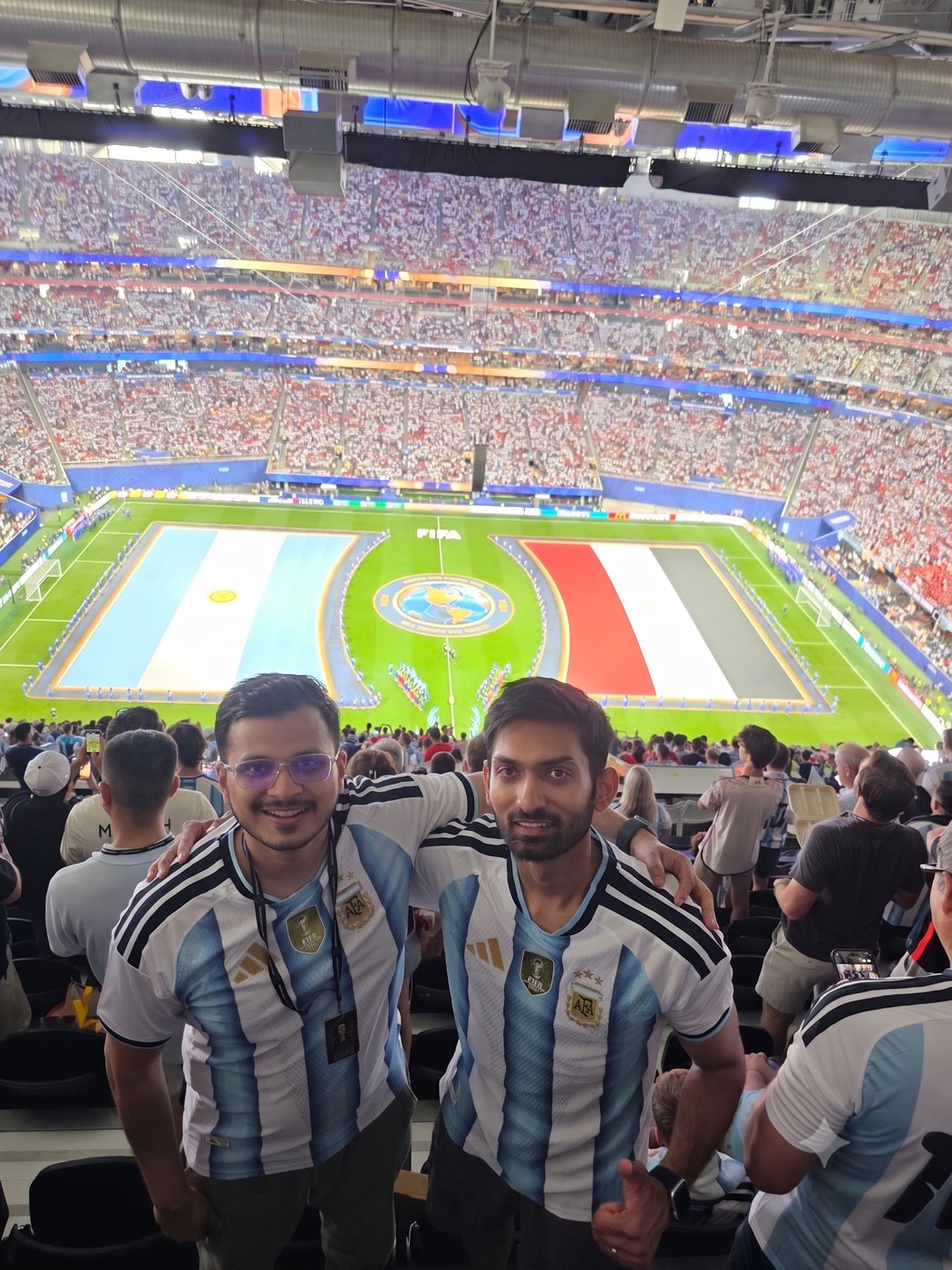
It all settled into focus at Kitty Hawk, on the strip of Outer Banks sand where the Wright brothers first left the ground. Twelve seconds, a hundred feet. What strikes you standing there is not the daring but the modesty of it. Nobody ever changed the world by fleeing somewhere. They changed it by paying close, patient attention to one stubborn problem until it lifted off the ground. Which is more or less what a real pause is for.
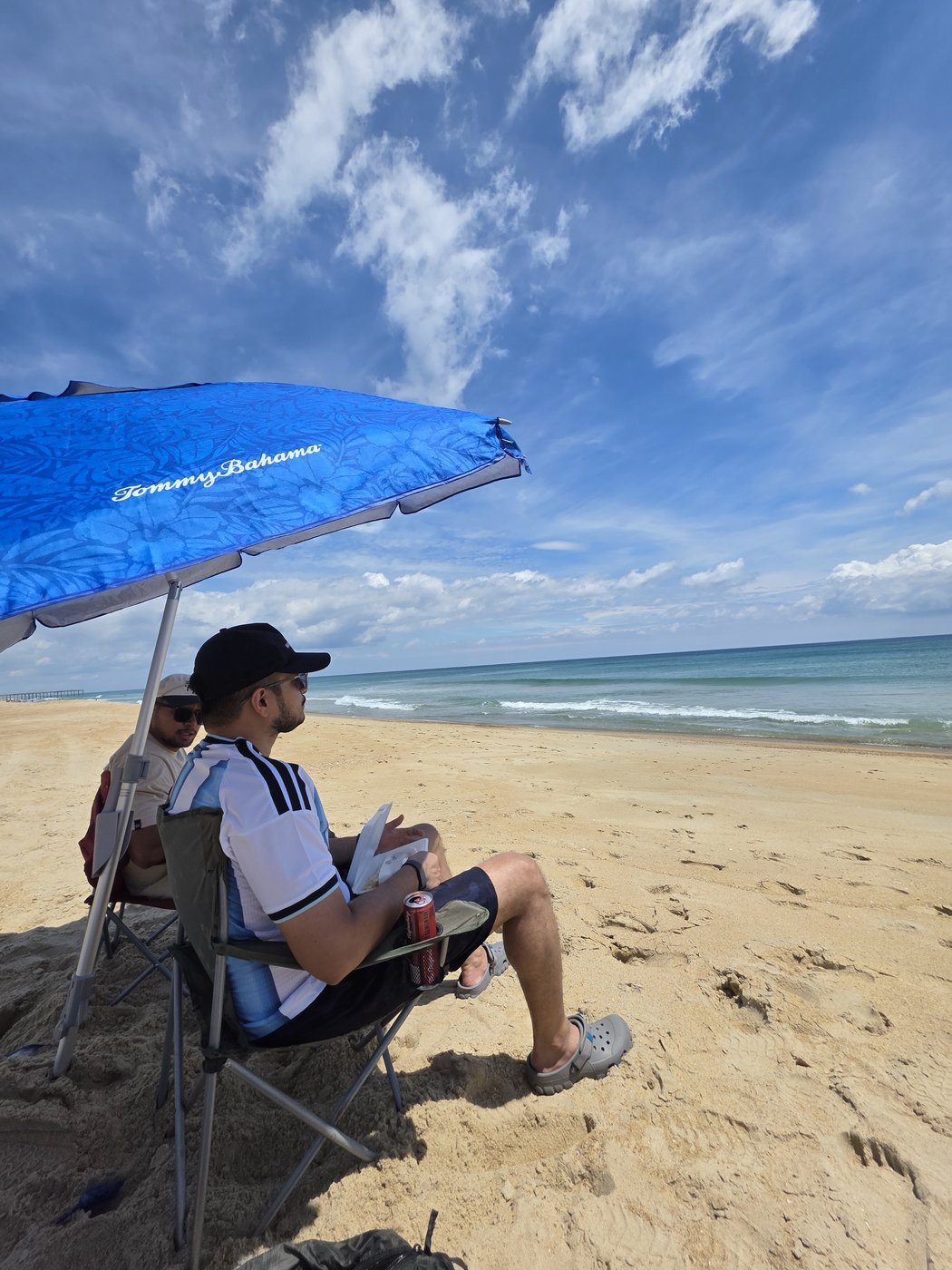
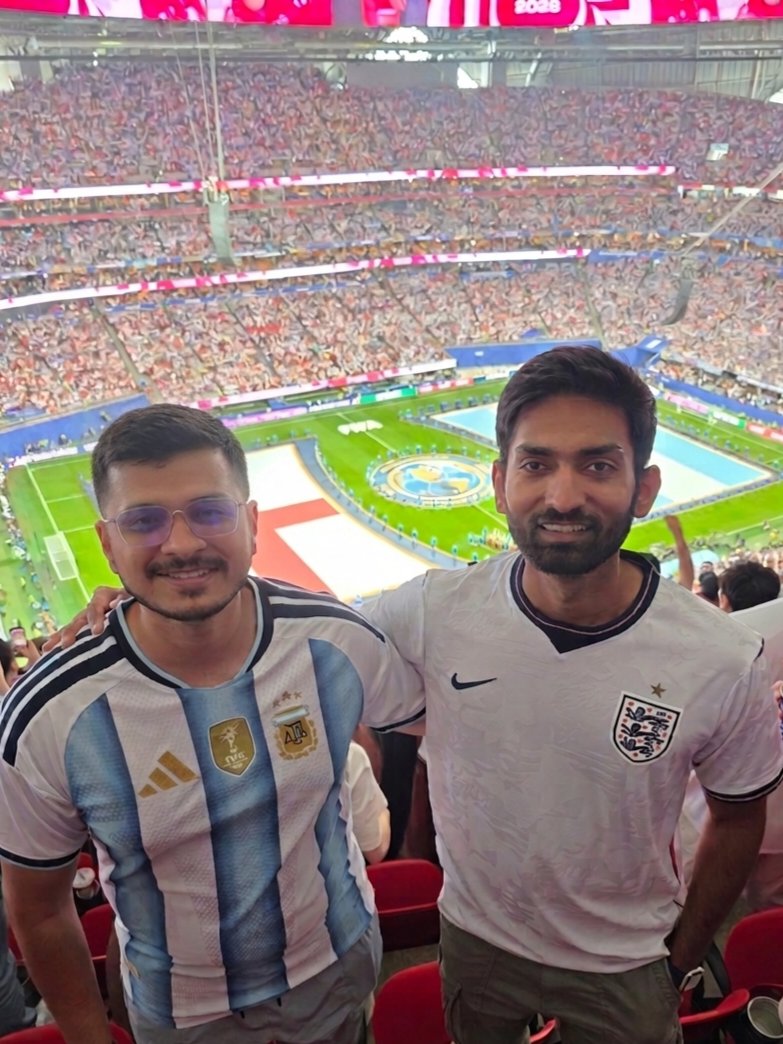
By the end, the World Cup had quietly become the spine of the trip. I had followed Argentina from the round of sixteen in Atlanta, through the semi-final against England, all the way to the final at MetLife. Spain won, and none of it felt sour, because I was there for Messi’s last ever World Cup. It takes a generation to witness a player like him, and he had already had his happy ending in Qatar, the kind most people would retire on. He came back for one more chapter he owed no one. There is a particular dignity in watching someone great choose his own moment to stop, while the watching is still worth doing. I had spent six years not stopping. He was a reminder that knowing when to pause is not the opposite of ambition. It may be its most advanced form.
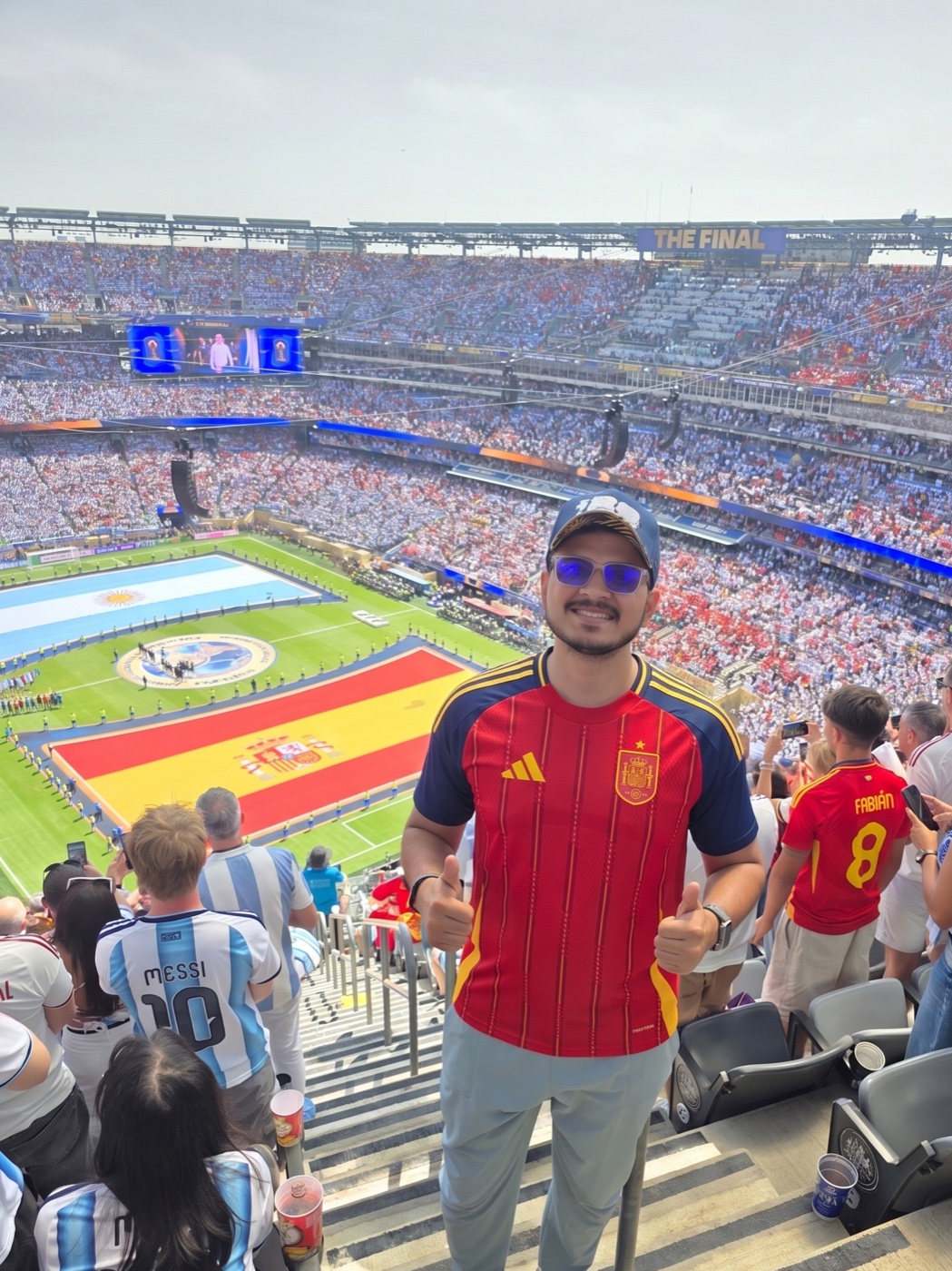

Seneca was half right. A change of sky will not save a man who travels to run away. But for the one who travels to wake up, the sky was never the point. It is only the thing that finally gets you to change your soul.
It had been six years since I last looked up. I don’t plan to leave it that long again.